Islamic cosmography
Jinn in the cosmographical manuscripts
13th-century tradition; this manuscript c. 1601–1800 · The Islamic world; this manuscript from the Persian sphere

Jinn, from a Book of Wonders manuscript, 17th–18th century.
Source & rights
- What this is
- Depiction from within the tradition
- Object
- Manuscript
- Title
- Jinns, from The Book of Wonders of the Age
- Date
- c. 1601–1800
- Held by
- University of St Andrews, MS32(o)
- Licence
- CC0
- This copy
- Hosted at the size published by the source; not altered.
- Retrieved
- 2026-08-29
Made within the tradition that transmitted the account, though not by a witness to it.
A cosmographical manuscript: a genre that catalogued the world's contents, ordinary and otherwise, in the same register and on the same page. The category being illustrated is the source's own, and this archive does not translate it into any other.
The Arabic and Persian cosmographies - the ʿajāʾib al-makhlūqāt tradition, the wonders of creation - set out to describe the contents of the world. They cover the heavens, the calendar, minerals, plants, animals, remarkable places, and jinn, in sequence, in the same register, illustrated in the same hand.
That flatness is the interesting thing. A jinn is not introduced as an intrusion into the natural order; it is another entry in a catalogue of what there is, positioned by a scheme the compiler took to be exhaustive.
What the source is
An illustrated cosmographical manuscript in a long tradition of works cataloguing the contents of creation, in which jinn appear as one class among many.
This entry is a source and image card; no text is reproduced.
The report
No passage reproduced - Excerpt not published - edition and page not yet verified
No text is reproduced. This project cannot read the manuscript and has not consulted a published translation of this particular copy.
Why it is in this archive
It is the archive's best illustration of a rule that is easy to state and hard to keep. A source using its own categories is not making an approximate attempt at ours.
Rendering jinn as demon imports Christian angelology; as spirit, a modern English vagueness; as genie, an eighteenth-century French translation of a translation. None of these is what the manuscript says, and a collection that quietly standardised them would have destroyed the only evidence it holds - which is what each tradition actually said.
The compilers were also doing something recognisable: assembling a description of everything, from the best available sources, with illustrations, for readers who wanted to know what the world contained. That is not so far from what this site is doing, which is worth remembering before being condescending about the contents.
The words the source uses
Given in the language they were written in, with a plain rendering. None is treated as equivalent to a term from another tradition.
- jinn
- jinn
- Deliberately left untranslated. The usual English renderings - spirit, demon, genie - each import a different tradition's category, and the whole point of this entry is that the source is using its own.
- ʿajāʾib
- wonders; marvels
- The genre name. A wonder in this literature is something remarkable within the created order, not something outside it.
How close is the source?
Substantial chronological or textual distance from any event.
01 · Genre established by
Zakariyyā al-Qazwīnī, 13th century, and predecessors
02 · Copied and illustrated by
Later workshops, over several centuries
Each copy an opportunity for the pictures to drift from whatever the text originally described.
03 · Held by
University of St Andrews, MS32(o)
Details, provenance and rights
- Experiencer state
- Not applicable
- Reported agency
- Multiple personal agencies
- Locomotion claim
- None
- Physical trace
- None reported
- Witness or speaker
- None. These are compilations, not testimony.
- Recorder / translator
- Compilers in the tradition of al-Qazwīnī, and later copyists and illustrators
- Edition
- The Book of Wonders of the Age, St Andrews MS32(o), ff. 24
- Rights
- Link only - not reproduced here
- Cultural sensitivity
- Context needed
Provenance notes
- The manuscript is dated only broadly, and this project has not examined it.
- No translation of any part of this manuscript is offered.
The image is CC0 from the holding institution.
From the same shelf
Grouped by the tradition that produced them. Nothing here claims they share a cause.
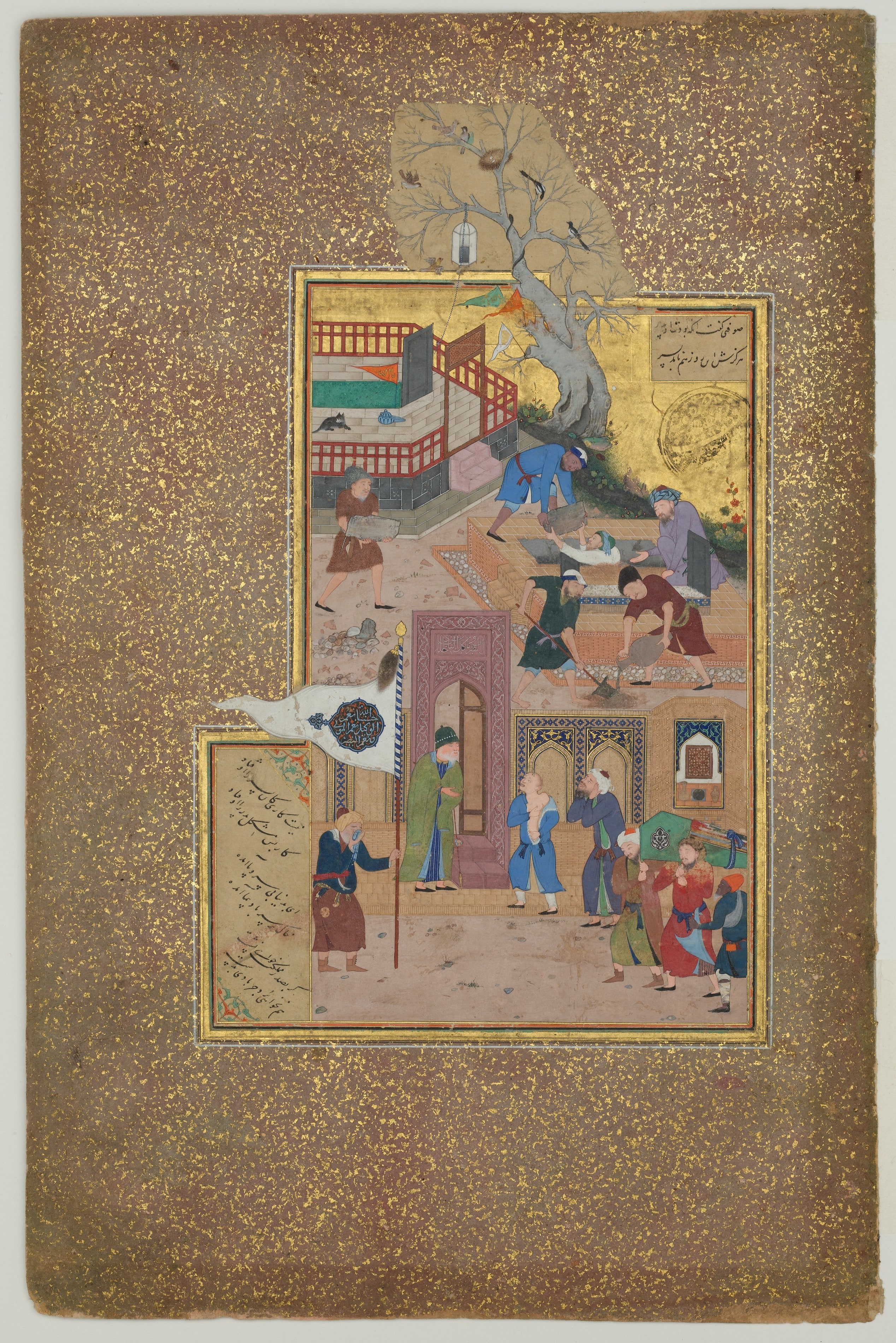
Tadhkirat al-Awliyā
Medieval; Persian critical edition 1905–1907 · Persia and the Iranian cultural sphere
Persian lives of the friends of God - ecstatic speech, dreams, disciplines - held here without an English text.
Hagiography
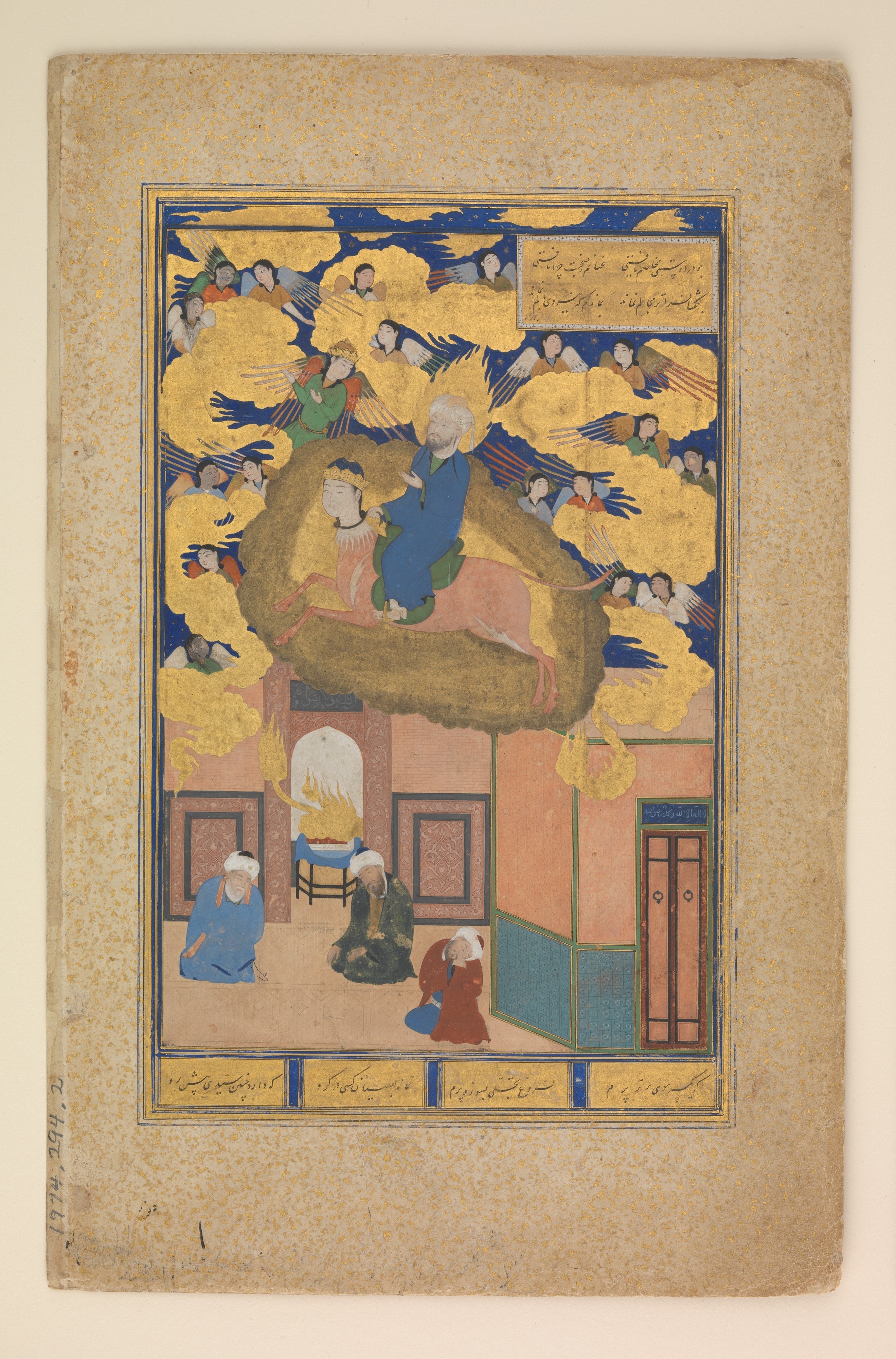
The Miʿrāj - the night journey and ascent
7th-century tradition; this manuscript 16th century · Arabia; the Islamic world
A journey by night and an ascent through the heavens, recounted in a tradition that argued for centuries about whether the body went.
Scripture

