Anglo-American literary and journalistic compilation
Charles Fort, The Book of the Damned
Compiled c. 1905–1919; published 1919 · New York and London · Charles Fort

Charles Fort, The Book of the Damned, New York, 1919 - title page.
Source & rights
- What this is
- The source itself
- Object
- Book
- Title
- Charles Fort, The Book of the Damned - title page
- Creator
- Charles Fort
- Date
- 1919
- Held by
- Cornell University Library
- Page
- Page 9 of the scanned file
- Licence
- Public domain (copyright term expired)
- This copy
- One page rendered from the source PDF at 903 × 1400, with the blank scan margin trimmed; the page itself is unaltered.
- Retrieved
- 2026-08-29
A photograph of the text or object this record concerns.
A commercial trade book, not a scholarly edition, and it looks like one. The restraint of the page is worth noting against the prose behind it.
Between about 1905 and 1919 Charles Fort sat in the New York Public Library and the British Museum reading room, working through back runs of scientific periodicals and newspapers and copying onto small slips of paper every reported observation that had been noted and then set aside: falls of matter from the sky, lights where no lights should be, objects seen and not explained.
In 1919 he published a selection of them. He was explicit about his criterion - he collected what had been excluded - and explicit that he was not offering a theory to replace the ones he mocked. The result is the direct ancestor of every anomaly archive since, including, uncomfortably, this one.
What the source is
A book of about three hundred pages, published in New York in 1919, consisting largely of reported observations quoted or paraphrased from scientific periodicals and newspapers of the preceding century, arranged and connected by the compiler's own commentary.
It is not a report of anything. It is a report about reports, which is why it is filed here.
The report
Original
A procession of the damned.
By the damned, I mean the excluded.
We shall have a procession of data that Science has excluded.No English translation is published. None has been prepared and reviewed, and an unchecked rendering of the only text on this page would be the one thing this record cannot afford.
Three lines, and the whole method is declared. The subject is not the phenomena but the exclusion of them; the form is a procession, which is to say an accumulation experienced in order; and the opponent is capitalised. Everything the book does well and everything it does badly follows from this page.
Why it is in this archive
Because it is this archive's nearest relative, and reading it closely is the cheapest available warning about how this kind of work goes wrong.
What Fort does well is real and worth taking. He noticed that a body of observations existed which had been recorded by competent people, published in respectable journals, and then quietly dropped, and he went and found them. That is legitimate, difficult work, and much of it is verifiable: the citations are largely real and can be looked up.
What he does badly is also instructive. The items are stripped of the surrounding context that made them explicable or inexplicable, arranged so that quantity substitutes for weight, and connected by a voice whose momentum is the actual argument. A hundred unexplained things in a row feel like a pattern. They are a hundred separate questions, and answering them requires going back to each one individually - which is exactly what a procession is designed to discourage.
The distinction matters for this project specifically. Collecting excluded observations is a defensible activity. Presenting the collection as though its size were evidence is not, and the line between the two is thinner than it looks from the compiler's chair.
The words the source uses
Given in the language they were written in, with a plain rendering. None is treated as equivalent to a term from another tradition.
- the damned
- the excluded
- Fort defines his own term in his second sentence, which is more than most of the material in this archive does. The word is a joke and a thesis at once: the data are damned in the sense of being shut out, and the exclusion is what he is writing about.
- a procession of data
- an ordered march of reports past the reader
- His own image for his method, and a fair warning. A procession has an order chosen by whoever arranged it, and accumulated weight is its intended effect.
How close is the source?
Substantial chronological or textual distance from any event.
01 · Originally reported in
Scientific periodicals and newspapers, 19th and early 20th centuries
Each item has its own witnesses, its own reliability and its own context, none of which survives the transfer.
02 · Extracted and arranged by
Charles Fort, working from library holdings
He is the whole of the chain between the original reports and the reader, and he chose every item in it.
03 · Published by
Boni and Liveright, New York, 1919
A commercial trade publisher, not a scientific one.
Source gallery
Every image is labelled with what it is evidence for. Select one to see it whole.
Project Nikolaos annotation
Written by this project. Not part of the source, and not a translation of anything in it.
He found the excluded observations, which was the hard part, and then arranged them so that their number would do the arguing. The first half of that is worth copying. The second half is the thing to watch for in one's own drafts.
Details, provenance and rights
- Experiencer state
- Not applicable
- Reported agency
- No agency claimed
- Locomotion claim
- None
- Physical trace
- None reported
- Witness or speaker
- None. Fort witnessed nothing; every item is quoted from a printed source.
- Recorder / translator
- Charles Fort, compiling from periodicals and newspapers
- Edition
- Charles Fort, The Book of the Damned, Boni and Liveright, New York, 1919
- Rights
- May be reproduced from a verified public-domain edition
- Cultural sensitivity
- Ordinary historical context
Provenance notes
- Fort's citations have not been checked by this project against the periodicals he names. Reporting that he cites a source is not endorsing that the source says what he says it says.
- Nothing in this entry is offered in support of any item in his collection. The entry concerns his method.
- The book's reputation has been shaped by a century of later enthusiasm which Fort himself did not live to see and would probably have found funny. That reception is not treated here as evidence about the book.
Published in 1919 and out of copyright. The page images here were extracted from a public-domain scan.
From the same shelf
Grouped by the tradition that produced them. Nothing here claims they share a cause.
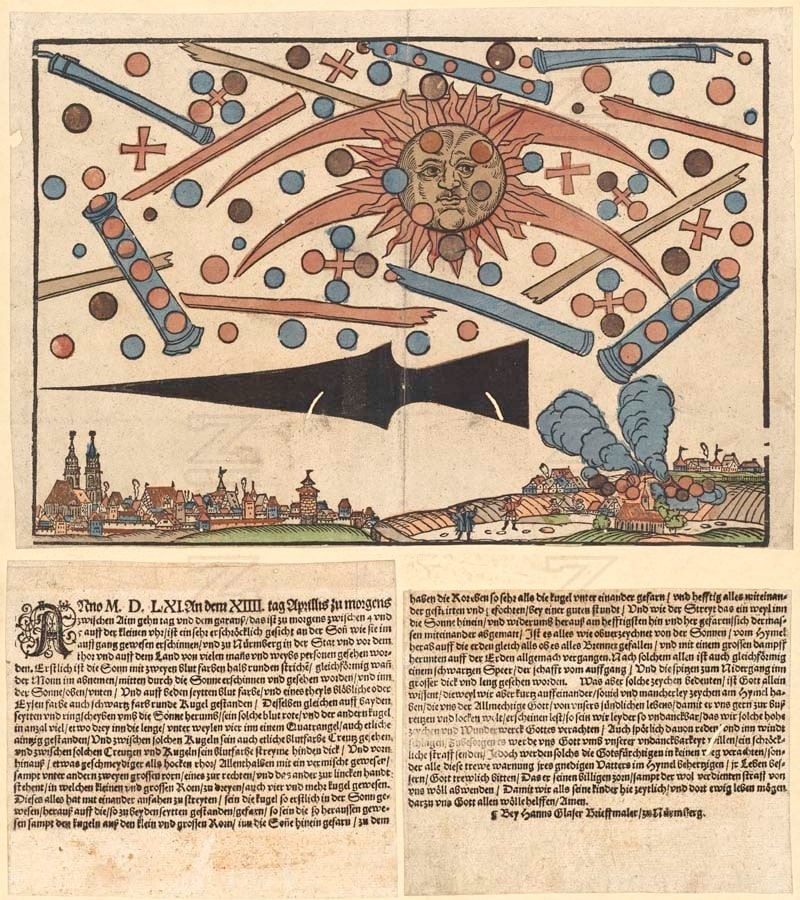
Broadsheet: the celestial appearance over Nuremberg, 14 April 1561
Printed 1561 · Nuremberg, Holy Roman Empire
At dawn on 14 April 1561, something frightening was seen at the sun over Nuremberg. A printer had it on sale within days.
Printed broadsheet report
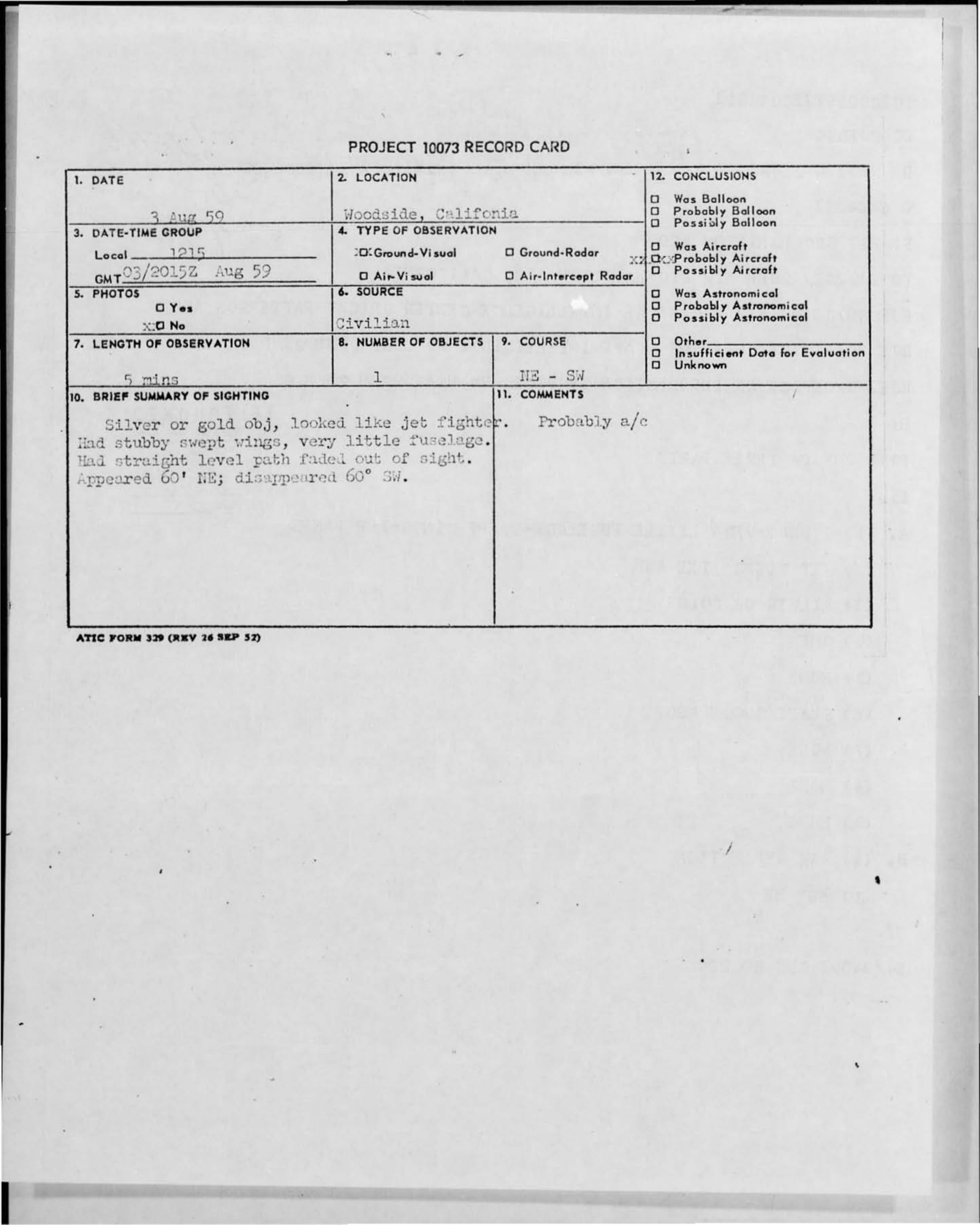
Project Blue Book - the record cards
1952–1969 · United States
For seventeen years an air force printed a form for reports it could not explain, with the degree of confidence built into the checkboxes.
Official investigation file
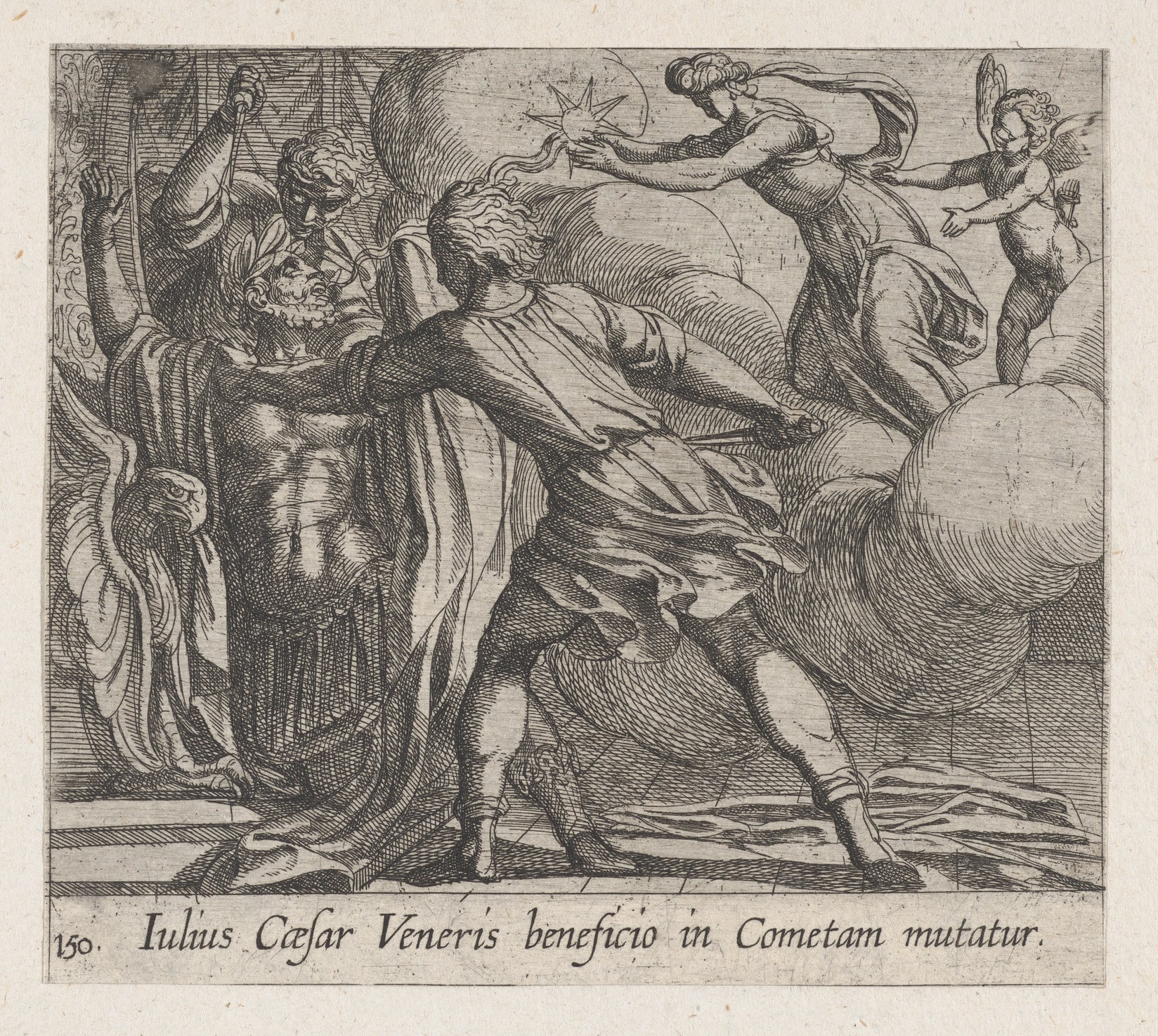
The signs at Caesar's death
15 March – late 44 BCE · Rome and the Mediterranean
Dreams. Failed sacrifices. A darkened Sun. Three suns in the sky. Then, months later, a comet.
Mixed - poetry, history, biography and compilation


