Latin and Greek Christian hagiography
The dowry narrative in the Nicholas tradition
Attached to a 4th-century figure; the narrative survives in later hagiography · Asia Minor; Latin European transmission

Bicci di Lorenzo, Saint Nicholas Providing Dowries, c. 1400–1410.
Source & rights
- What this is
- Later depiction
- Object
- Painting
- Title
- Saint Nicholas Providing Dowries
- Creator
- Bicci di Lorenzo
- Date
- c. 1400–1410
- Held by
- Indianapolis Museum of Art
- Licence
- Public domain
- This copy
- Rendered at 3840 × 2123 from an original of 6412 × 3545; not otherwise altered.
- Retrieved
- 2026-08-28
Made long afterwards. Evidence about the period that produced it, and about nothing else.
Most useful for what it cannot do. The panel shows the giver in plain sight, which is exactly the part the story says the household did not have.
A father with three daughters and no dowries, and gold that arrives in the house at night through a window. He does not know where it comes from. It happens again. Only when he decides to keep watch does he find out who has been throwing it.
The project takes its name from this story, and not for the saint. It is a story about the order in which things are established: the effect first, the source afterwards, and only because somebody deliberately changed how they were watching.
What the source is
The story from which this project takes its name: an impoverished father with three daughters and no dowries; gold delivered into the house at night, through a window, by an unidentified giver; the event repeated; and the giver identified only after the recipient deliberately kept watch.
It is catalogued here under the same rules as every other entry, and it fares no better under them than the rest.
The report
No passage reproduced - Excerpt not published - edition and page not yet verified
No passage is printed and no edition has yet been selected. Public-domain English renderings of the medieval compilations exist, and choosing one is a real editorial decision - different recensions of this narrative differ - rather than a matter of finding a convenient text.
Why it is in this archive
We use this narrative as a methodological emblem, which places an obligation on us to be accurate about what kind of thing it is.
It is hagiography. It is attached to a figure of the late antique Christian world, and it survives in a literary tradition that grew for centuries after him rather than in contemporary documentation. There is no named witness, no date, and no chain of transmission that can be reconstructed back to any event. Under this archive's own source-distance rubric it sits about as far from a first-person record as a narrative can sit.
None of which affects its use here, because we are not using it as evidence of anything. What the story supplies is a shape: an effect established first, a source identified afterwards, and identification achieved by changing how one observes rather than by reasoning about who the giver must be. Observation before attribution.
It would be a poor advertisement for a project about source discipline if the one narrative it borrowed were the one narrative it declined to examine.
The words the source uses
Given in the language they were written in, with a plain rendering. None is treated as equivalent to a term from another tradition.
- vita
- life
- The genre name. A vita is a work of edification with a shape of its own, and its conventions are not incidental to what it reports.
How close is the source?
Carried within a religious literary tradition, with the shaping that implies.
01 · Attached to
Nicholas of Myra, a bishop of the late antique Christian world
02 · Transmitted through
Greek and Latin hagiographical tradition
The narrative appears in compilations written long after the figure it concerns, and it acquires detail as it travels.
03 · Received here as
A story, used as a methodological emblem
Source gallery
Every image is labelled with what it is evidence for. Select one to see it whole.
Project Nikolaos annotation
Written by this project. Not part of the source, and not a translation of anything in it.
The name is a parable about method, not a claim about a saint. If that distinction cannot be maintained on the one page where it is most tempting to let it slip, it will not be maintained anywhere else either.
Details, provenance and rights
- Experiencer state
- Not applicable
- Reported agency
- Single personal agency
- Locomotion claim
- None
- Physical trace
- Material trace reported
- Witness or speaker
- None. The narrative has no named witness.
- Recorder / translator
- Transmitted through successive hagiographical compilations
- Edition
- Not yet selected. A public-domain medieval compilation is the intended route.
- Rights
- Rights not yet verified
- Cultural sensitivity
- Ordinary historical context
Provenance notes
- This is hagiographical tradition, not a documented fourth-century event, and the site says so wherever the story is used.
- Nothing in Project Nikolaos depends on whether the events described took place.
- No supernatural claim about Nicholas of Myra is made or required by anything on this site.
Public-domain routes to the medieval compilations exist. This project has not yet selected or verified an edition, so no source link is published for this entry.
No source link: an edition has not yet been selected.
From the same shelf
Grouped by the tradition that produced them. Nothing here claims they share a cause.
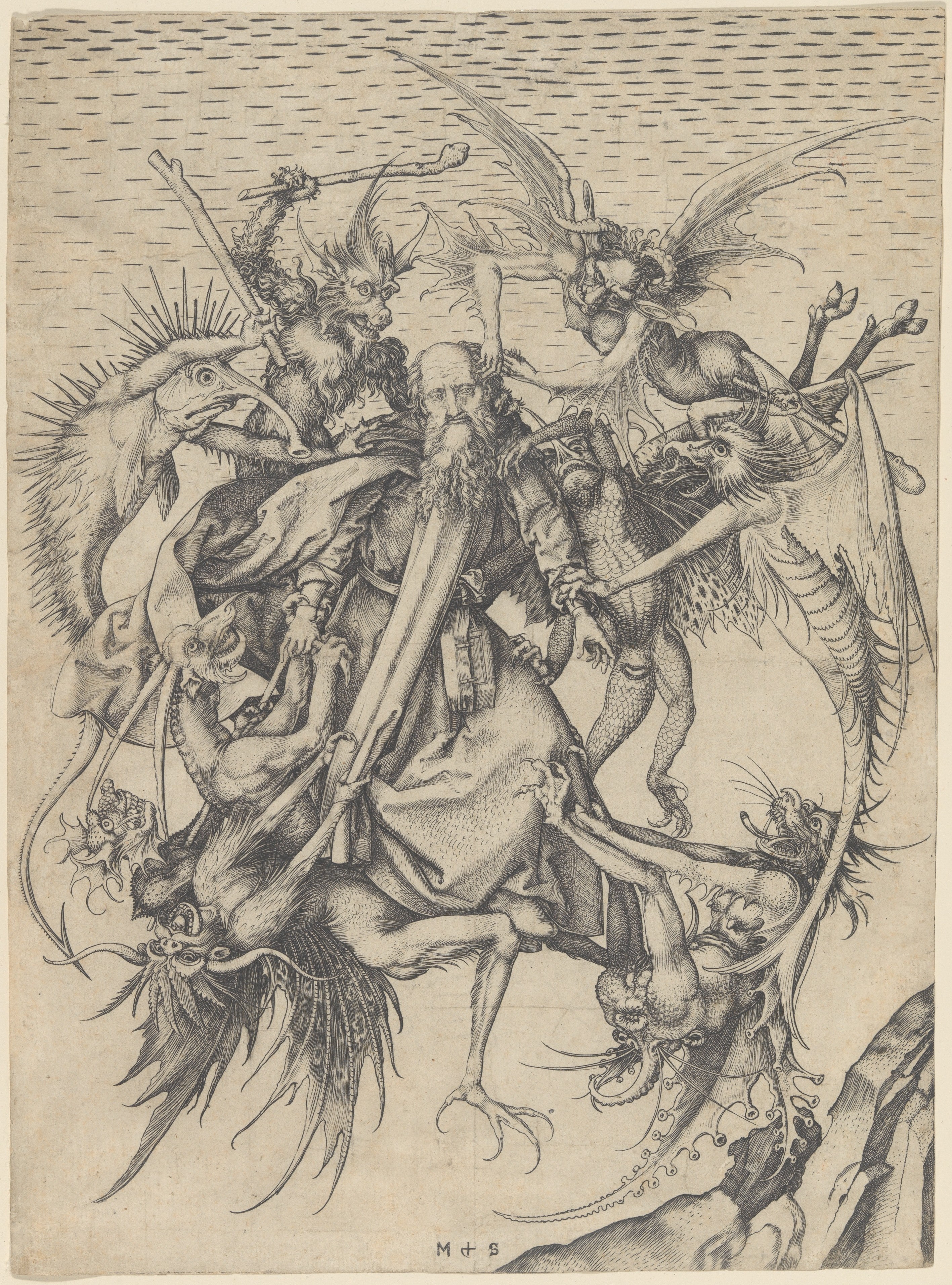
Life of Antony
4th century · Egypt
An Egyptian ascetic is besieged by things that change shape, make predictions, and lie - and is taught how to test them.
Hagiography
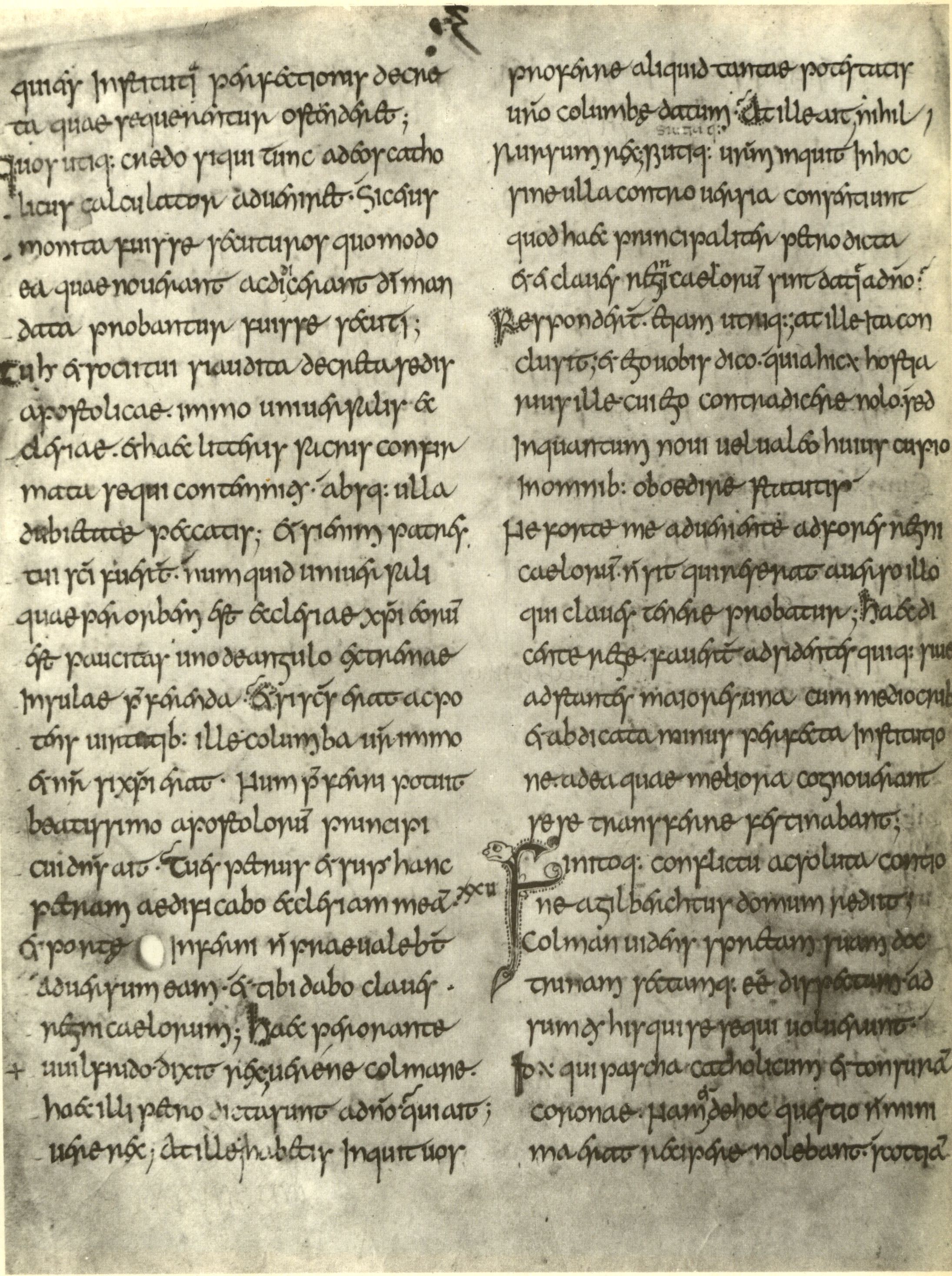
Ecclesiastical History III.19 - the account of Fursey
Event tradition 7th century; Bede writes early 8th century · Ireland, Anglo-Saxon England, the Frankish world
An Irish monk falls ill, is taken out of the body, is burned by something thrown at him - and carries the mark for life.
Monastic history
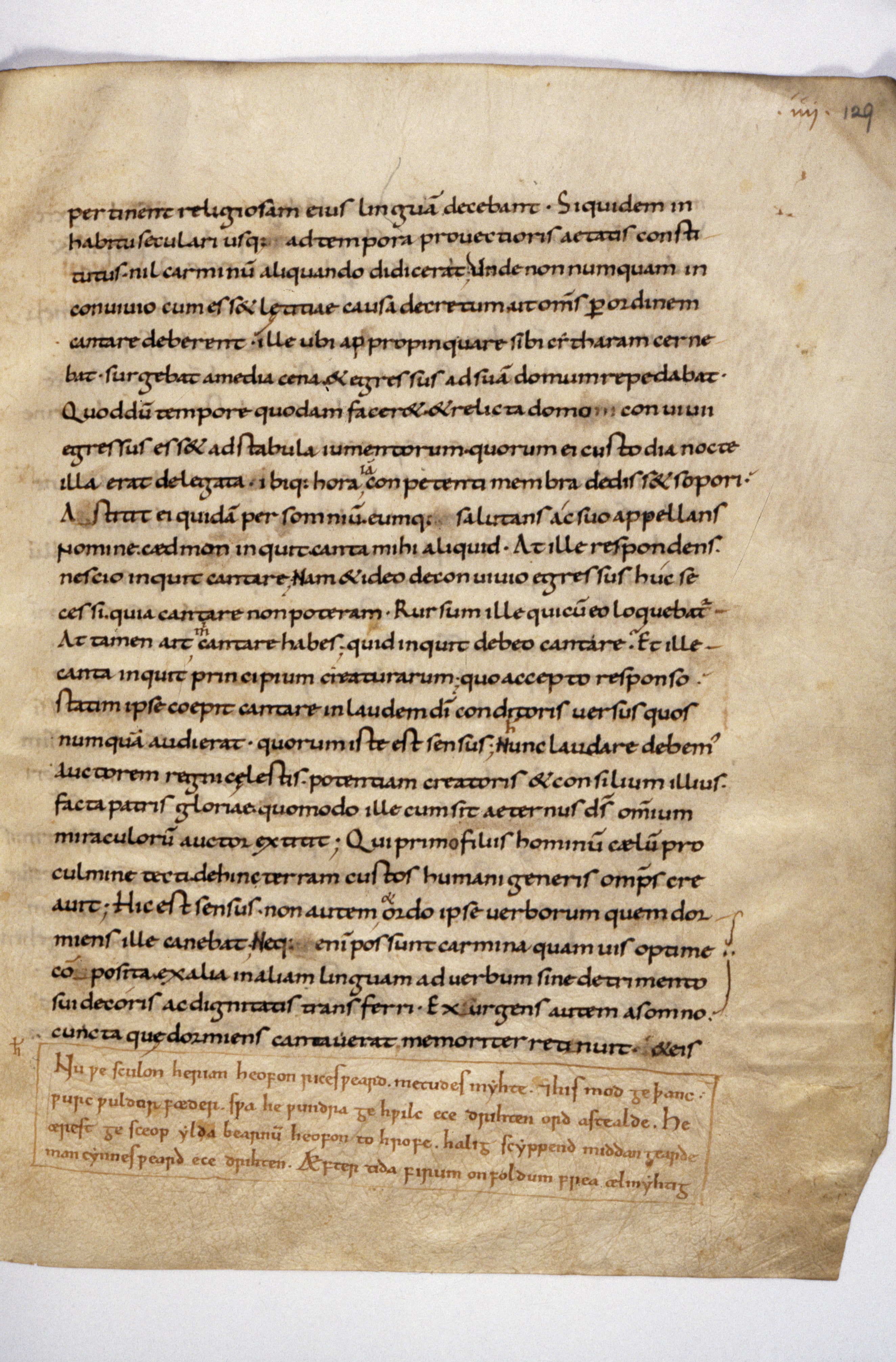
Ecclesiastical History V.12 - the account of Dryhthelm
7th–8th century tradition · Northumbria
A Northumbrian man is thought to have died, revives at dawn, and afterwards stands in a freezing river to pray.
Monastic history


