Egyptian and Syriac monastic Christianity
The Paradise, or Garden, of the Holy Fathers
Sayings of the 4th–5th centuries; this compilation 1907 · Egypt and the Syriac transmission

Fra Angelico, Scenes from the Lives of the Desert Fathers, c. 1420.
Source & rights
- What this is
- Later depiction
- Object
- Painting
- Title
- Scenes from the Lives of the Desert Fathers (Thebaid)
- Creator
- Fra Angelico
- Date
- c. 1420
- Held by
- Uffizi Gallery
- Licence
- Public domain
- This copy
- Rendered at 3840 × 2719 from an original of 5980 × 4235; not otherwise altered.
- Retrieved
- 2026-08-28
Made long afterwards. Evidence about the period that produced it, and about nothing else.
The structure is the useful part: dozens of small, separate, undramatic scenes. That is a fair picture of what the corpus actually contains, and an unfair picture of where it happened.
The desert communities of fourth-century Egypt produced a vast, scrappy literature of sayings: a monk asks an elder a question, the elder answers in a sentence, and somebody wrote it down. Dreams, temptations, visions and long arguments about how to tell one from another all appear in it.
By the time it reaches an English reader it has passed through Greek, then Syriac, then a 1907 translator. The compilation prints every saying in the same typeface with the same margin, which makes a fragment of uncertain origin look exactly like a first-hand report.
What the source is
A large compilation of monastic sayings and short narratives from the Egyptian desert tradition, preserved and transmitted in Syriac, and translated into English in 1907.
The material is heterogeneous. Some pieces present themselves as a saying reported of a named person; others are anecdotes of uncertain origin that had already circulated for centuries before being collected.
The report
No passage reproduced - Excerpt not published - edition and page not yet verified
The 1907 translation is out of copyright but is dated, and in places renders theological terms in ways a modern translator would not. Any passage used here needs either an explicit label as a historical translation or a fresh rendering from the Syriac with review. Neither has been done.
Why it is in this archive
It keeps Latin Christianity from becoming the archive's default. The Egyptian and Syriac traditions were not a provincial variant of the Western one; they were where a great deal of it came from.
It is also the clearest example in this collection of a source whose internal distances vary enormously from page to page. A compilation flattens them typographically - every saying gets the same margin - and the flattening is invisible unless you go looking for it.
How close is the source?
Substantial chronological or textual distance from any event.
01 · Originating tradition
Egyptian monastic communities
02 · Transmitted in
Syriac, from earlier Greek material
03 · Edited and translated by
E. A. Wallis Budge, 1907
04 · Digitised by
Wikisource, from a public-domain edition
Source gallery
Every image is labelled with what it is evidence for. Select one to see it whole.
Details, provenance and rights
- Experiencer state
- Ascetic practice · Fasting · Vigil · Dream · Unknown
- Reported agency
- Multiple personal agencies · Unidentified agency
- Locomotion claim
- None
- Physical trace
- None reported
- Witness or speaker
- Many named and unnamed monastics, at varying distances from any event
- Recorder / translator
- E. A. Wallis Budge, editor and translator, 1907
- Edition
- E. A. Wallis Budge, The Paradise, or Garden, of the Holy Fathers, 1907
- Rights
- Rights not yet verified
- Cultural sensitivity
- Context needed
Provenance notes
- Do not treat a saying attributed to a named father as a first-person report. Attribution within this corpus is a literary convention as much as a historical claim.
- The transcription consulted is not by itself an adequate provenance basis; the corresponding scan and page must be cited before any passage is published.
Budge died in 1934 and public-domain routes exist. This project has not yet verified the specific scan it would use, so the entry links rather than reproduces.
From the same shelf
Grouped by the tradition that produced them. Nothing here claims they share a cause.
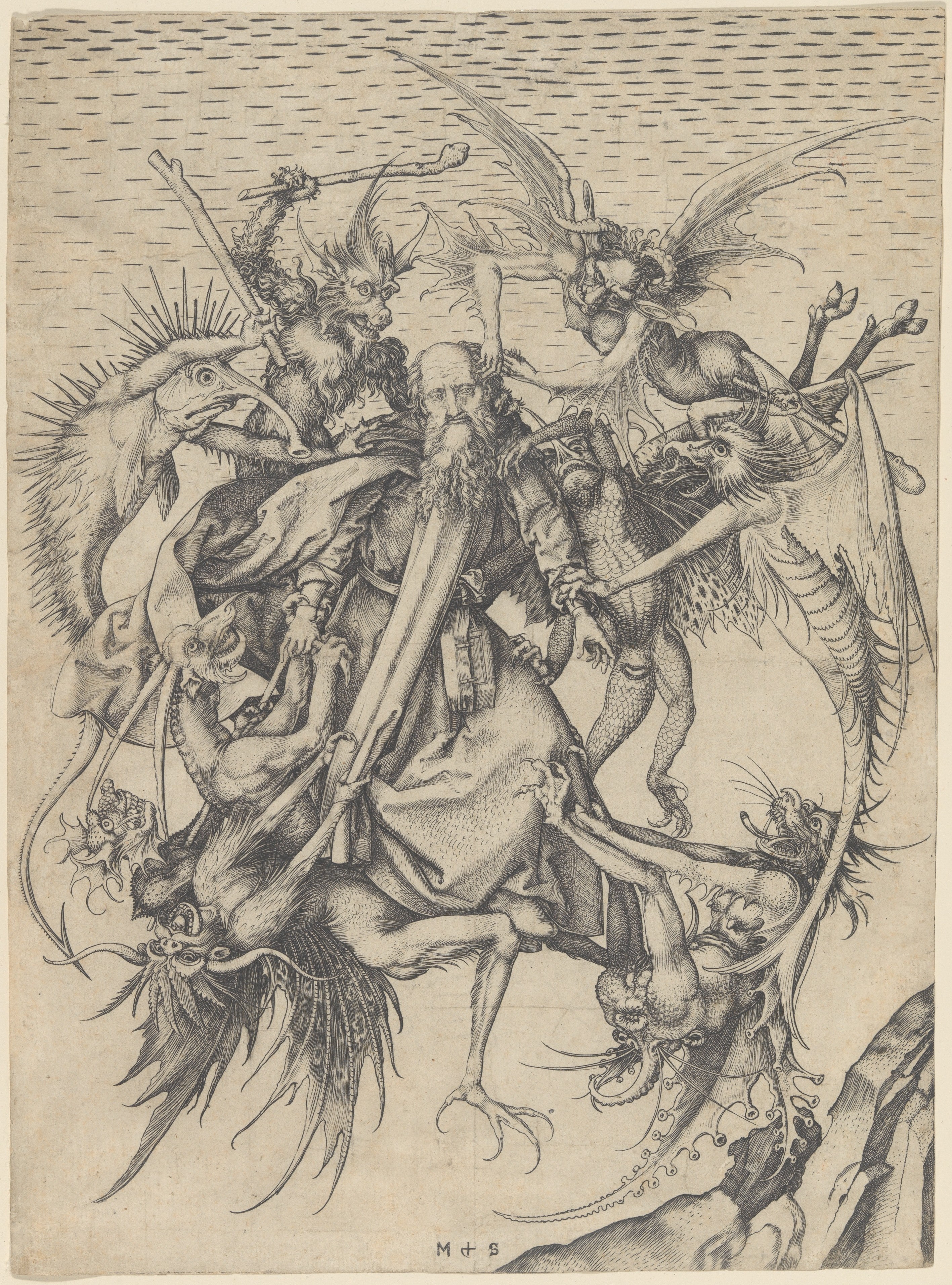
Life of Antony
4th century · Egypt
An Egyptian ascetic is besieged by things that change shape, make predictions, and lie - and is taught how to test them.
Hagiography
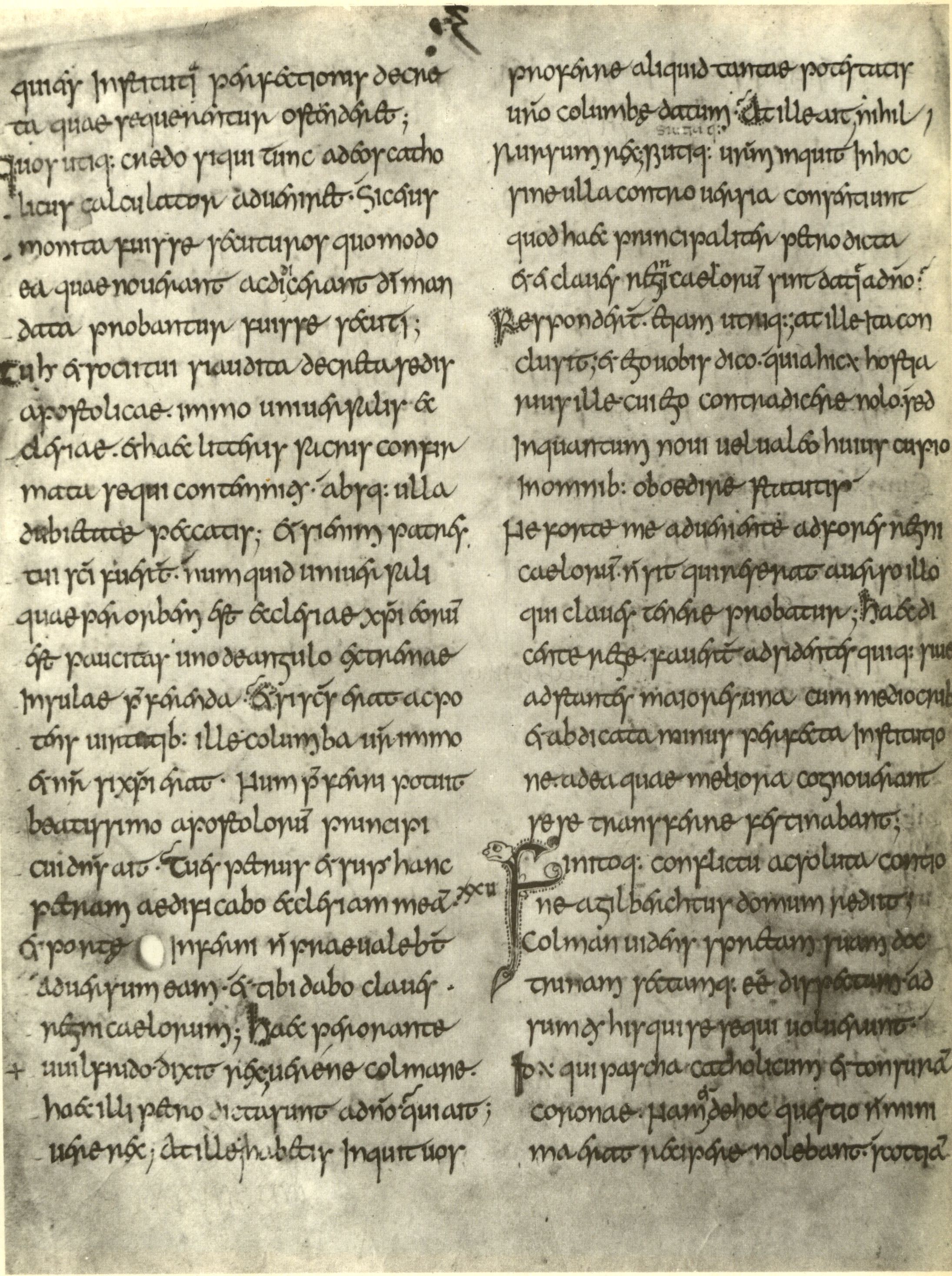
Ecclesiastical History III.19 - the account of Fursey
Event tradition 7th century; Bede writes early 8th century · Ireland, Anglo-Saxon England, the Frankish world
An Irish monk falls ill, is taken out of the body, is burned by something thrown at him - and carries the mark for life.
Monastic history
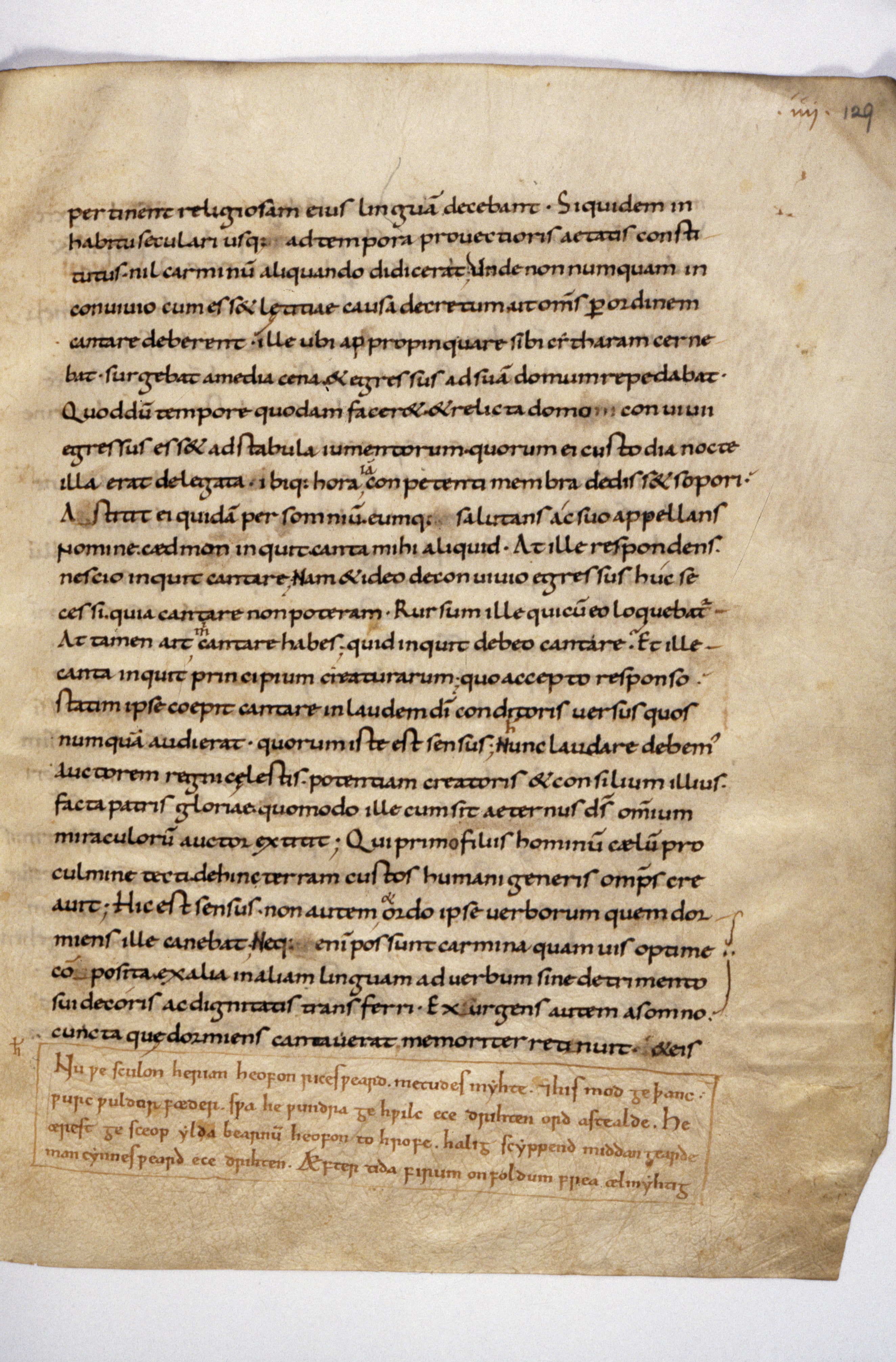
Ecclesiastical History V.12 - the account of Dryhthelm
7th–8th century tradition · Northumbria
A Northumbrian man is thought to have died, revives at dawn, and afterwards stands in a freezing river to pray.
Monastic history


